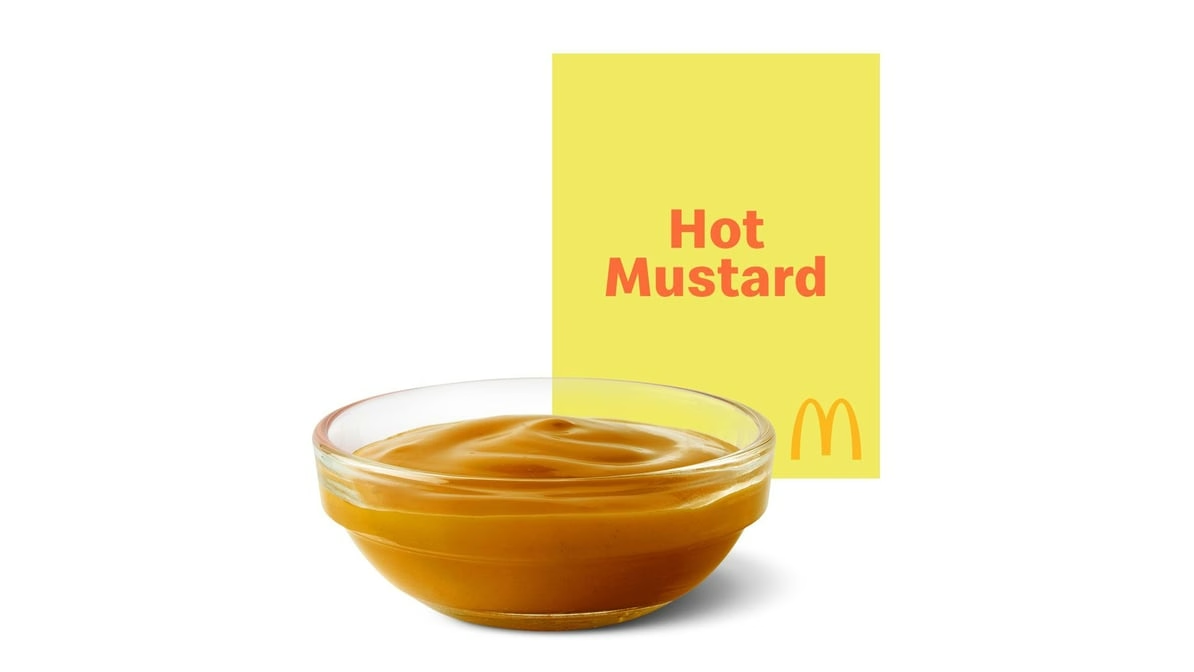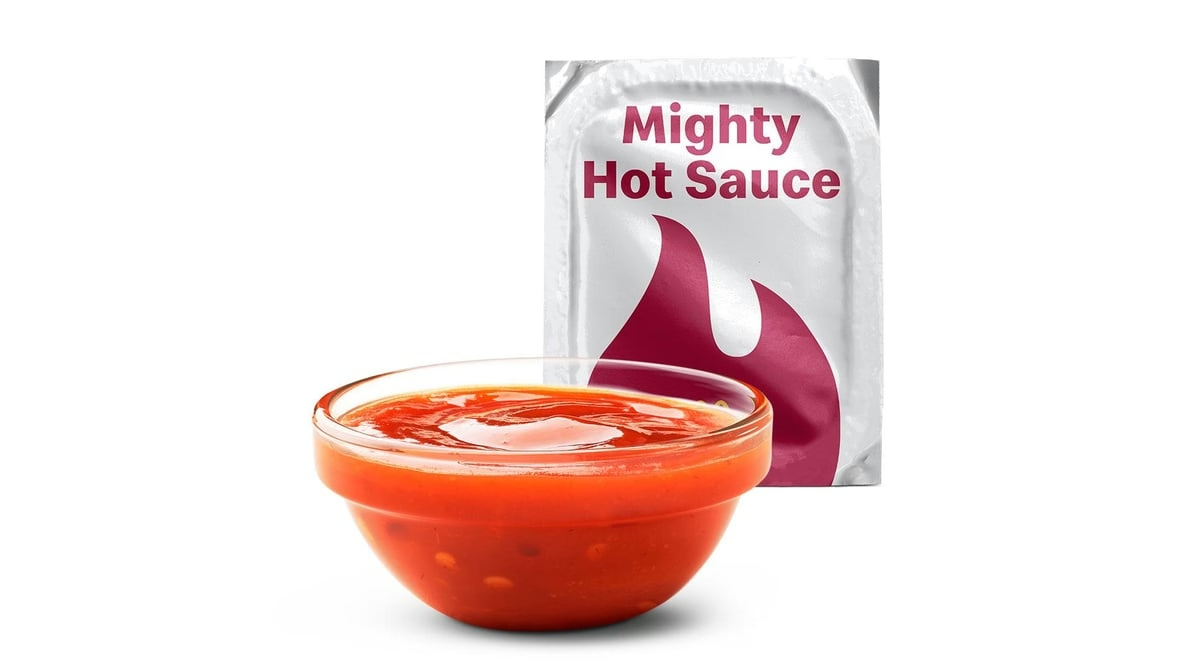
McDonald’s Sauces & Condiments Prices USA

This McDonald's Sauces & Condiments Prices USA page helps readers compare current McDonald’s USA prices in dollars, quick calorie references, and direct item-page links without bouncing between multiple menu screens. Instead of treating the category as a short list of names, it explains how the section works, what the price tiers look like, and how to move from category browsing into exact item decisions.

The live mcdonald's sauces and condiments menu coverage on this site currently tracks 12 items. That means readers can move from the big-picture guide into the current category data for barbecue sauce, ranch, honey mustard, sweet and sour, buffalo-style options, ketchup, mustard, and mayo packets without leaving the native WordPress page structure.

Prices on this site are shown in dollars for planning and comparison, but the final checkout can still vary by state, city, franchise, app participation, tax, delivery fees, and limited-time promotions. The goal of this pillar is to make the decision clearer before you open the final order screen.

Quick price snapshot for this category

ItemPriceCaloriesQuick take
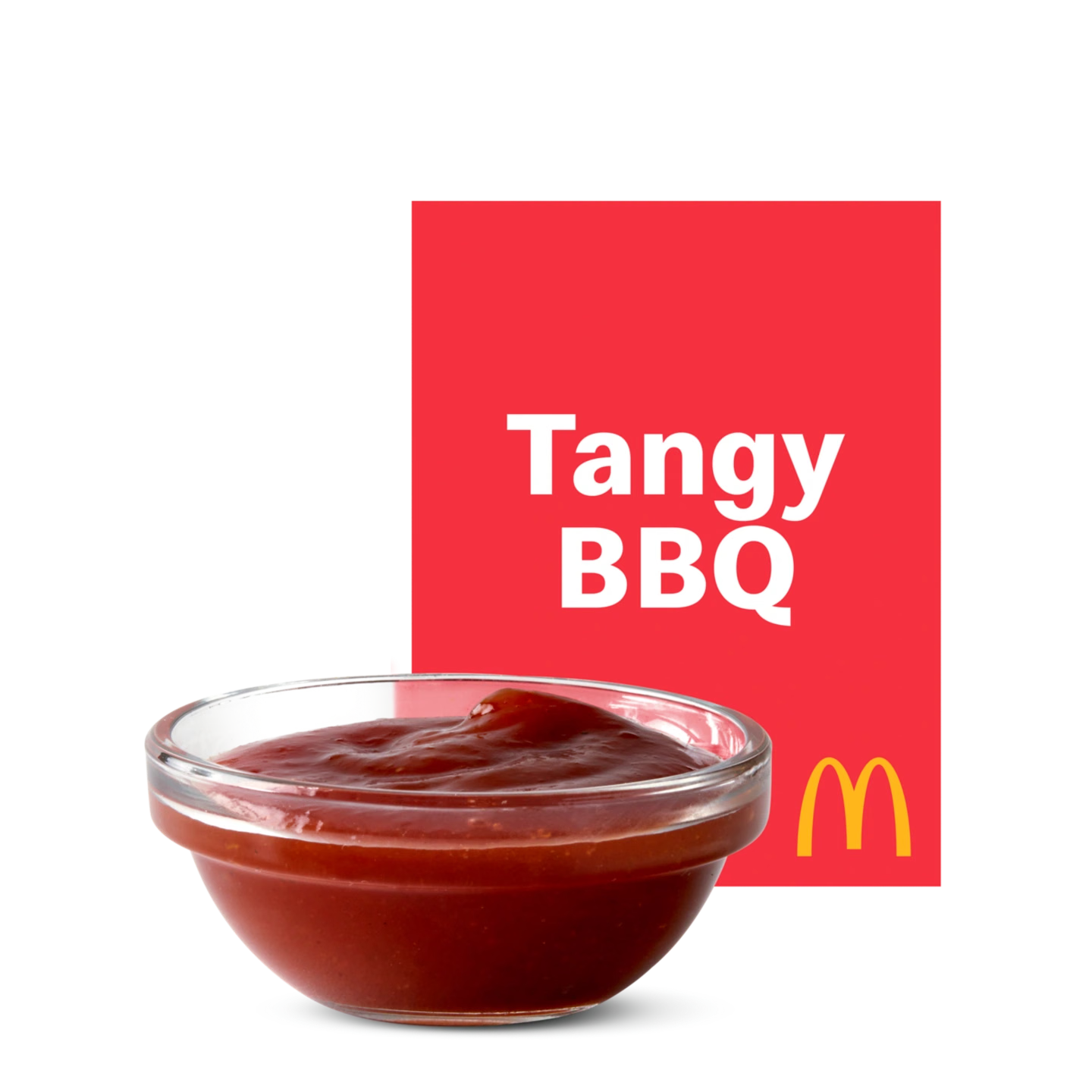
Tangy Barbecue Sauce$0.2945 kcalTangy Barbecue Sauce in the Dipping Sauces (served with McNuggets / Strips) grouping on the current McDonald's USA menu data tracked by this site.
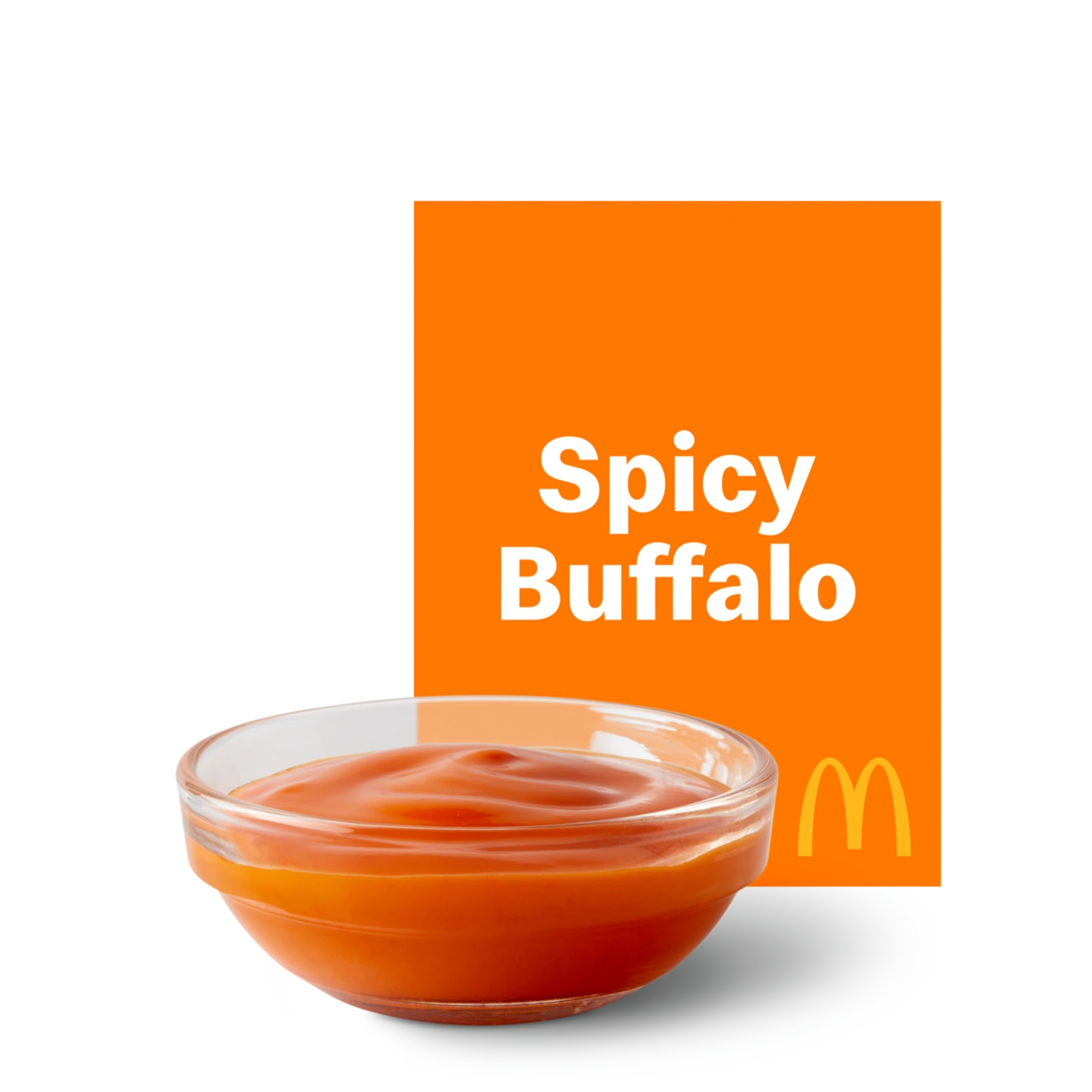
Spicy Buffalo Sauce$0.2925 kcalSpicy Buffalo Sauce in the Dipping Sauces (served with McNuggets / Strips) grouping on the current McDonald's USA menu data tracked by this site.
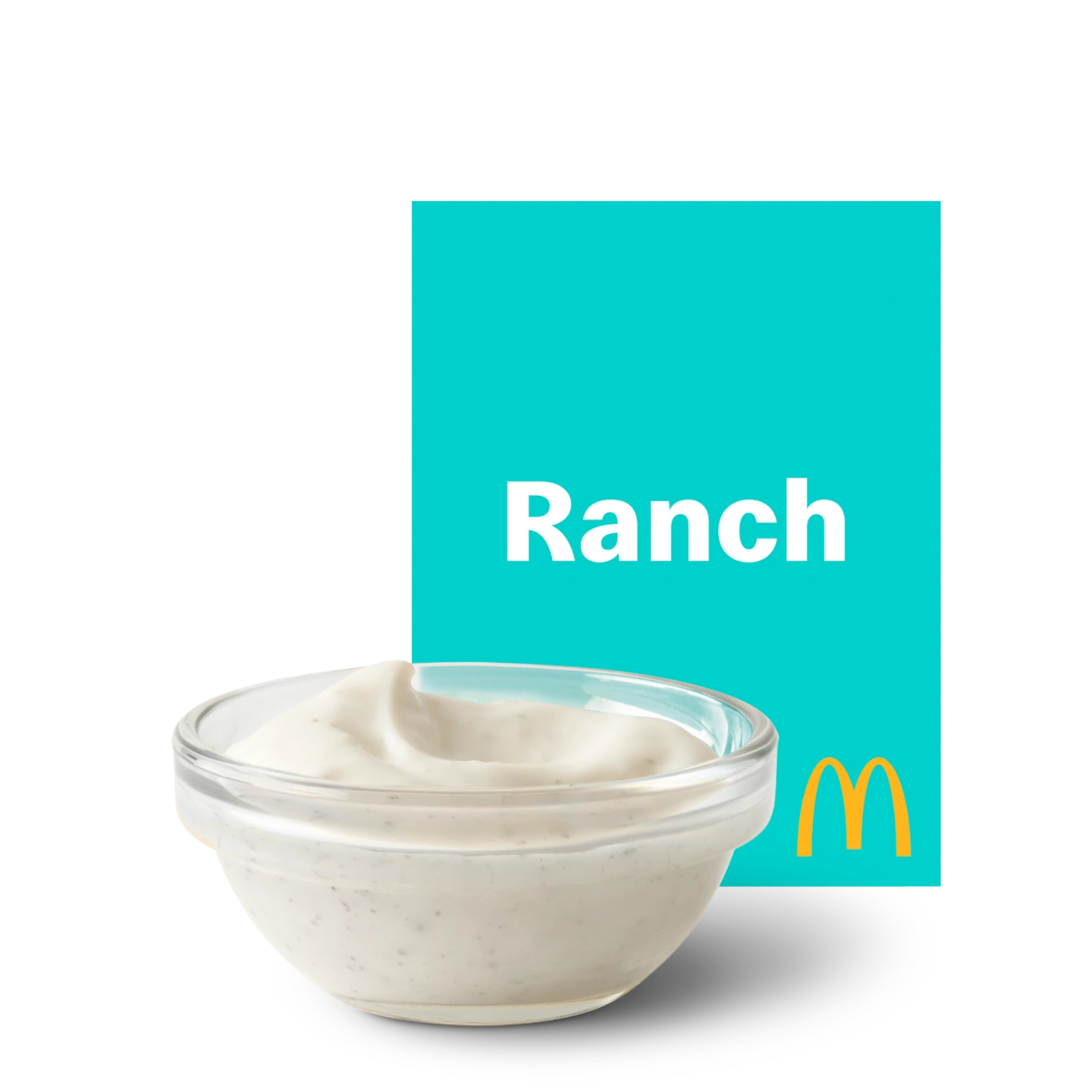
Creamy Ranch Sauce$0.29110 kcalCreamy Ranch Sauce in the Dipping Sauces (served with McNuggets / Strips) grouping on the current McDonald's USA menu data tracked by this site.
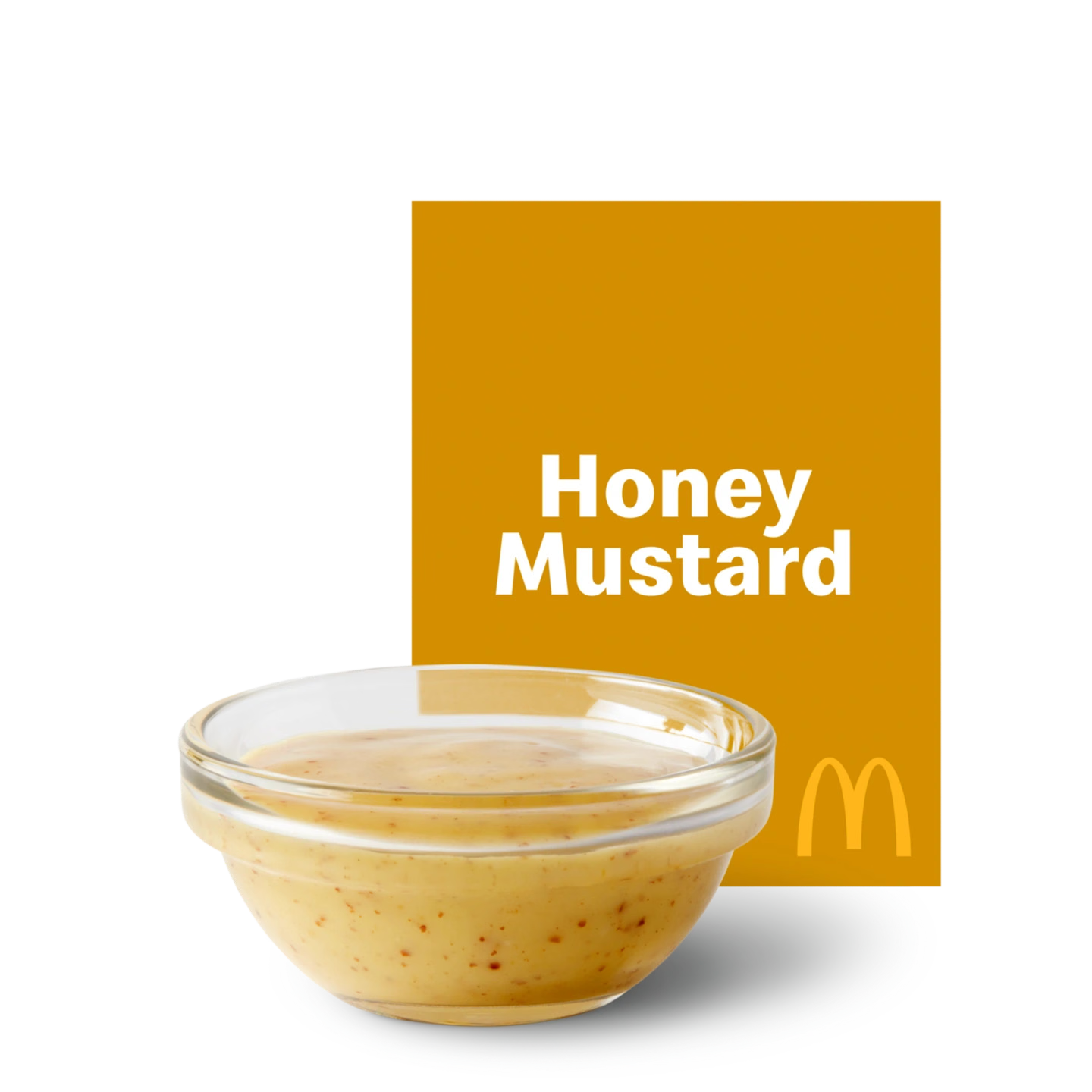
Honey Mustard Sauce$0.2960 kcalHoney Mustard Sauce in the Dipping Sauces (served with McNuggets / Strips) grouping on the current McDonald's USA menu data tracked by this site.
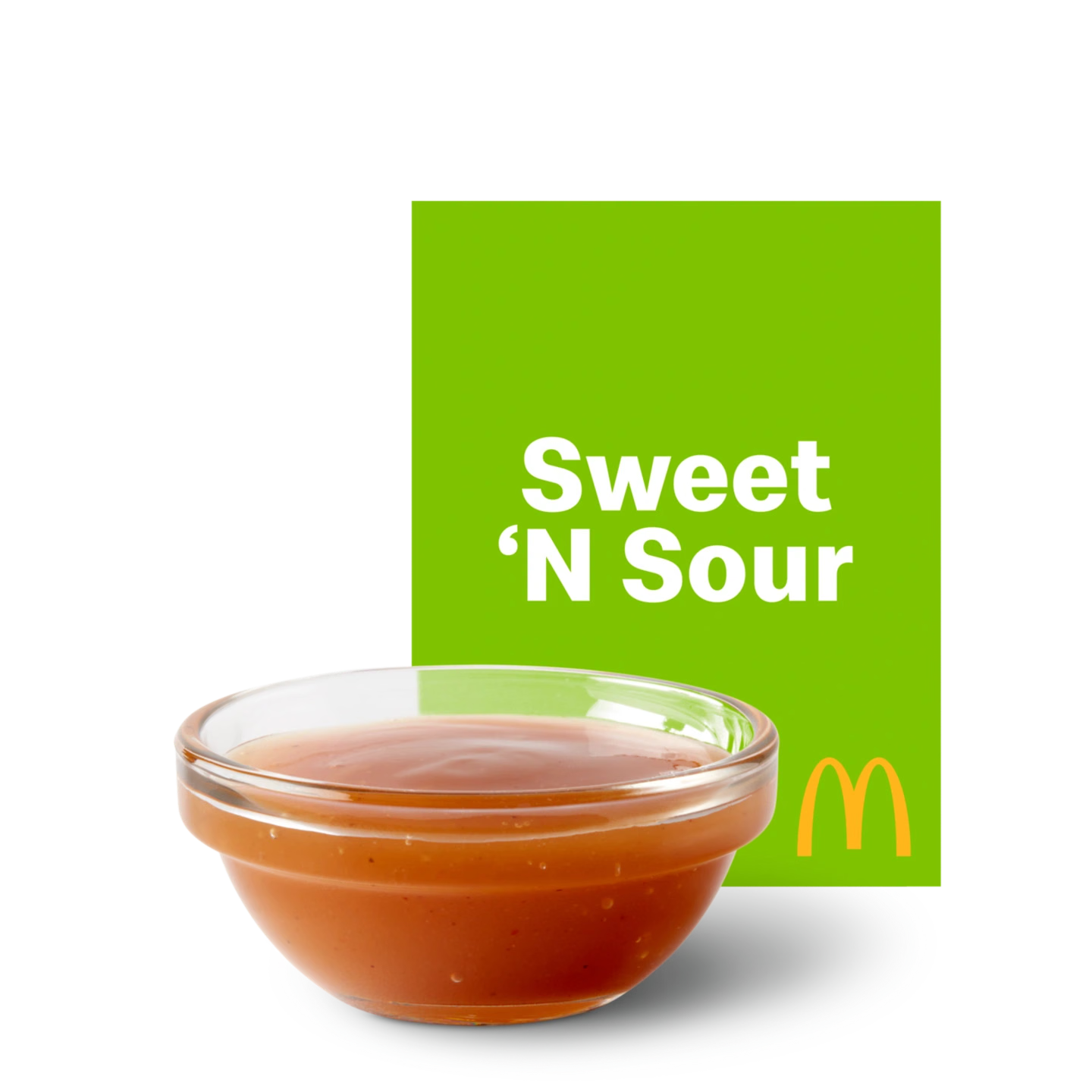
Sweet 'N Sour Sauce$0.2950 kcalSweet 'N Sour Sauce in the Dipping Sauces (served with McNuggets / Strips) grouping on the current McDonald's USA menu data tracked by this site.
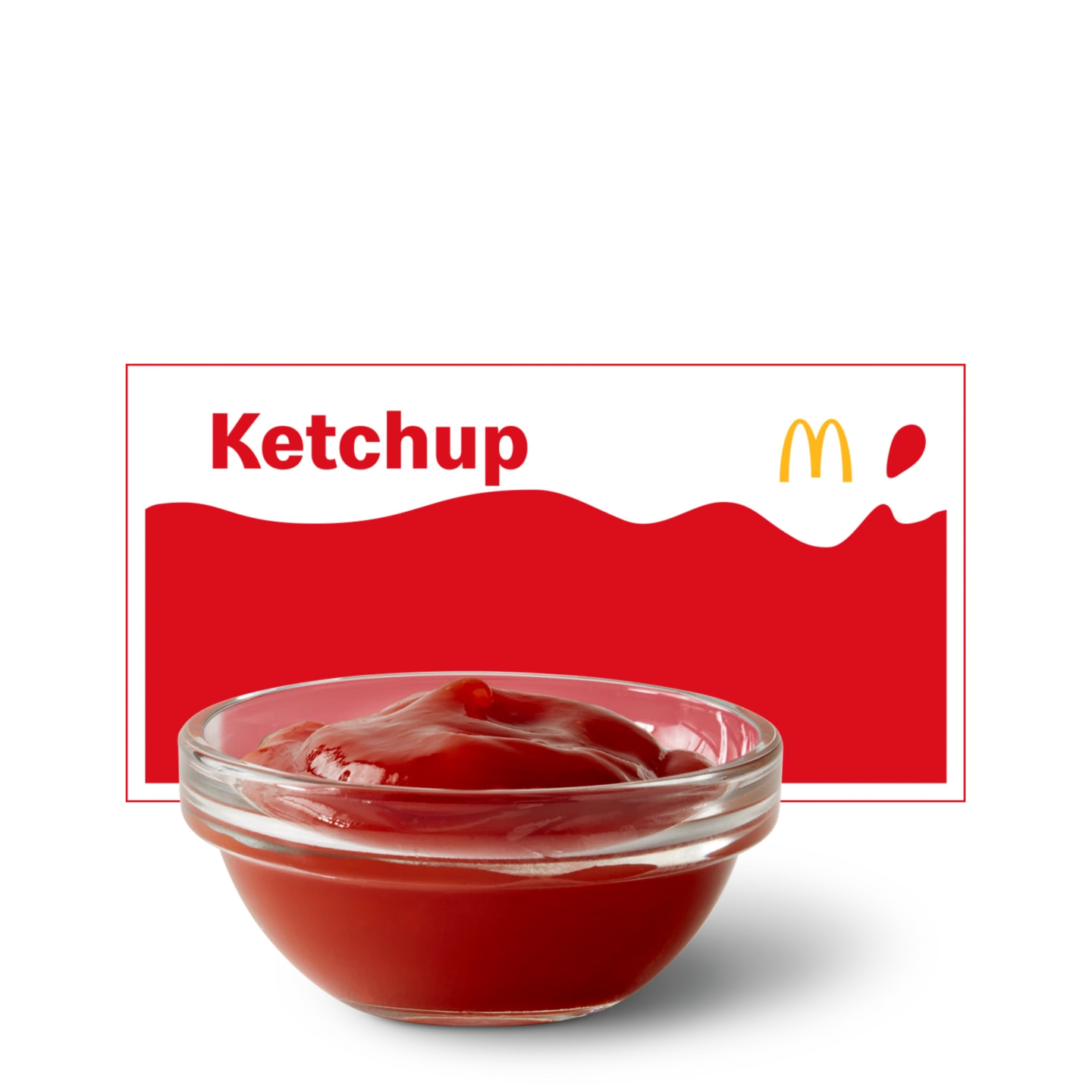
Ketchup PacketFree10 kcalKetchup Packet in the Condiment Packets grouping on the current McDonald's USA menu data tracked by this site.
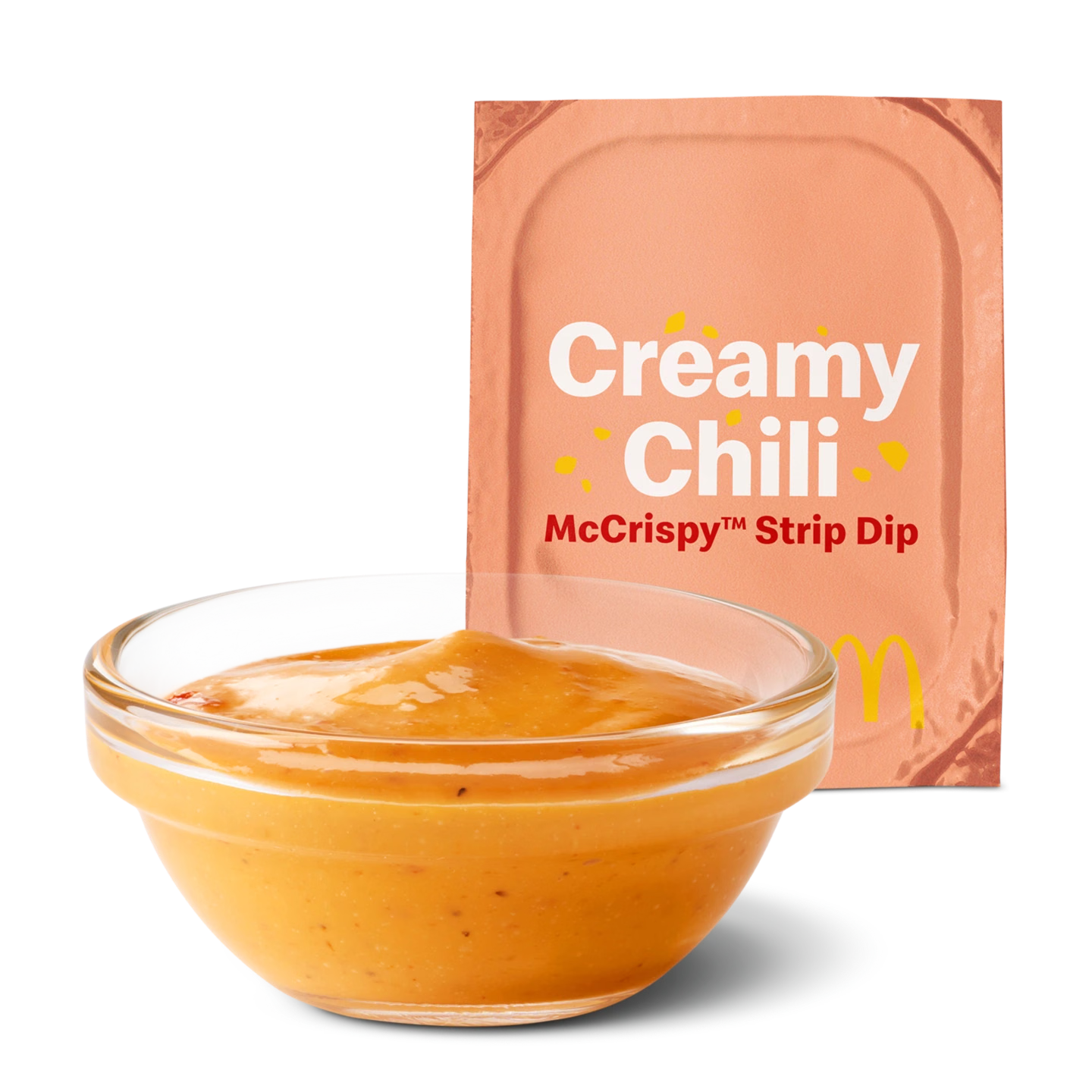
Creamy Chili McCrispy Strip DipIncl.~60 kcalCreamy Chili McCrispy Strip Dip in the Dipping Sauces (served with McNuggets / Strips) grouping on the current McDonald's USA menu data tracked by this site.
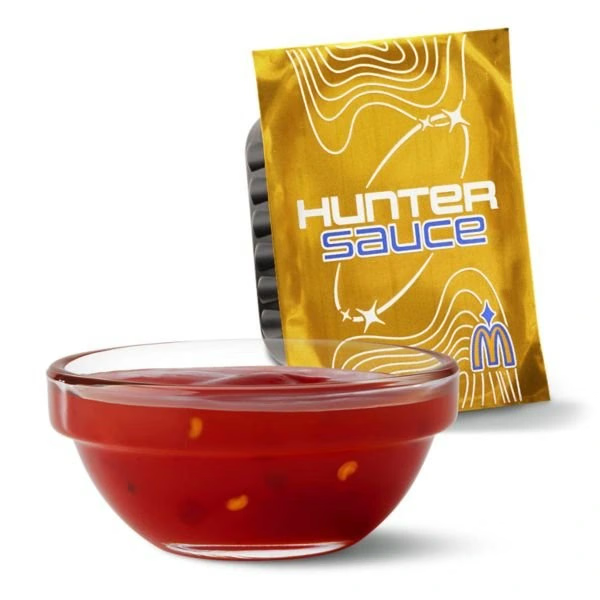
Hunter SauceIncl.~40 kcalKPop Demon Hunters LTD.

What is on the McDonald's sauces and condiments menu?

At a practical level, this category exists to answer the biggest menu-navigation question readers have before ordering: what exactly belongs in this part of the menu, and which items deserve a closer look first? For most readers, that is more useful than a thin unordered list because the decision normally starts with category comparison before it narrows into a single product.

That is why this page is written as both a topical guide and a menu-routing page. It helps readers understand where the category fits inside the wider McDonald’s USA menu, what the likely price ladder looks like, and which items are usually the best starting points for comparison.

  • barbecue sauce
  • ranch
  • honey mustard
  • sweet and sour
  • buffalo-style options
  • ketchup
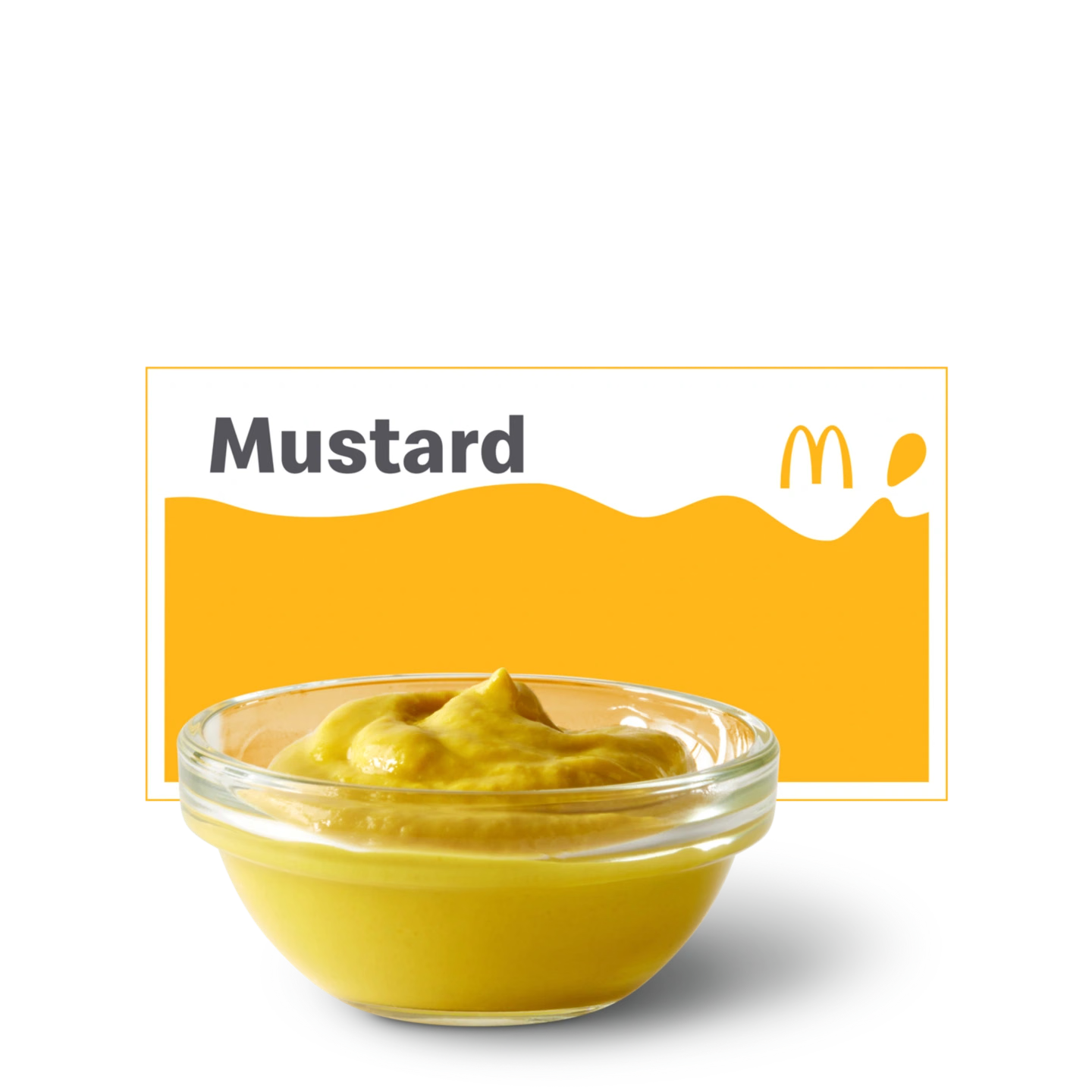
  • mustard
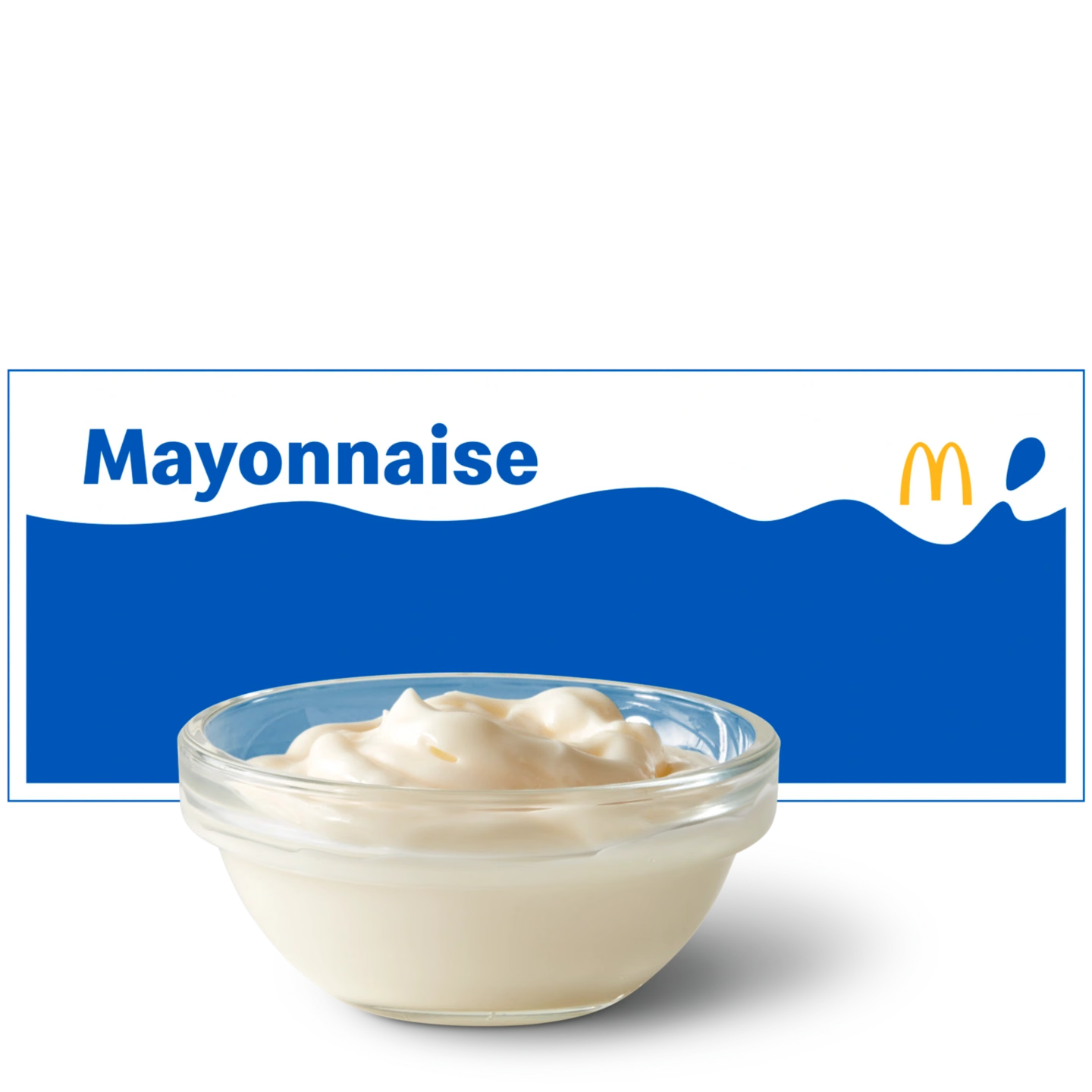
  • mayo packets

Sauces & Condiments prices, value, and popular order patterns

Category-level value is rarely just one number. Readers compare standalone item pricing, meal or add-on pricing, size changes, and the difference between a quick low-entry order and a more complete order that feels like a real meal. That is why value needs to be explained as a pattern rather than one flat claim.

The live category page and its item pages handle the exact listings. This pillar handles the broader comparison logic so readers can understand which branch of the menu tree is actually relevant before they click deeper.

  • Sauces matter because they are often treated as small extras, but paid dips and extra packets can still move the final order total.
  • Nuggets, fries, strips, and wraps all pull this page into the wider meal comparison path, which makes sauces a practical add-on category rather than a trivial one.
  • Readers often want to know which sauces are included and which extras may carry a small charge at their restaurant.

Calories, customization, and what to double-check

Price and calories are often researched together. Readers want to know not just what something costs, but how filling it is, how heavy it feels in the wider order, and whether an add-on or size change makes the category less practical than it first appeared.

That is why this pillar keeps nutrition context visible while still pointing readers toward the separate nutrition and allergen resources when the decision becomes more sensitive or ingredient-specific.

  • Even when the price difference is small, sauces can still matter for calories, sugar, and ingredient questions.
  • This page is especially useful for readers comparing nuggets, strips, and fries because the dip choice changes the order beyond the headline entrée price.
  • Condiments also matter for customization because packets and add-ons can shift the taste profile of lower-cost items without changing the main item itself.

Availability, ordering strategy, and useful next steps

Most menu guides underplay sauces, but they are one of the clearest examples of how a simple add-on can change both spending and satisfaction. A proper sauces pillar helps readers understand the add-on layer that sits under nuggets, fries, and shareable chicken orders.

Use this page when you want to compare dipping options before you finalize a nuggets, strips, fries, or snack-wrap order. Then move into the live sauces category page or the linked meal pillars to understand the full order context.

How readers compare this category with the rest of the menu

Most people do not compare this category in isolation. They are deciding whether it beats the closest alternative somewhere else on the McDonald’s USA menu. That may mean breakfast versus burgers, nuggets versus sandwiches, fries versus another side, or a dessert versus a drink-led treat order. A good pillar needs to explain that cross-category reality because it mirrors how actual search behavior works.

The strongest comparison pages are the ones that help readers decide what type of order they are building before they obsess over one exact item. Once that higher-level decision is made, the item-page comparison becomes faster and cleaner because the reader already understands the category context, price ladder, and likely add-on path.

This is also one of the reasons search engines reward broader topical coverage. A category page that understands adjacent menu entities is more useful than a thin page that repeats only one item name. It signals that the site can answer the wider decision set around value, calories, timing, and add-ons rather than treating every menu query as an isolated fact lookup.

What usually changes the final total in this category

Readers often search for one posted item price, but the real order total in this category is usually shaped by what happens next. A meal upgrade, larger drink, extra sauce, dessert add-on, or premium customization can move the total far more than the first price on the menu board suggests. That is why this pillar emphasizes ordering patterns rather than only one number.

For some categories, the hidden swing comes from portion size. For others, it comes from combo structure, side choices, or premium limited-time items. Either way, the important SEO and user-experience job of the pillar is to explain where the price pressure usually appears so readers do not misread a low-entry item as the final likely spend.

This category context is also helpful for AI search visibility because it makes the page retrieval-ready for more than one query style. Someone searching for price, value, calories, best order, or cheapest build can all land on the same page and still find an explanation that matches their real intent.

  • Standalone item pricing and full meal pricing can tell very different value stories.
  • Add-ons such as fries, drinks, sauces, desserts, or premium customizations often create the biggest hidden jump.
  • Local pricing and app participation may change the practical best-value choice inside the same category.
  • Limited-time items can temporarily reset the normal category price ladder and draw clicks away from evergreen favorites.

Who this category usually serves best

Every major McDonald’s USA category solves a slightly different ordering problem. Some categories are strongest for quick solo orders, some for heavier meal seekers, some for families, some for snack-style add-ons, and some for readers who are balancing taste, cost, and convenience at the same time. A category pillar becomes more useful when it acknowledges those audience differences directly.

That audience framing is part of EEAT as well. Helpful content is not only factually organized; it is written in a way that shows the writer understands how real customers use the menu in practice. Readers searching these pages are often trying to spend wisely, compare fairly, and avoid surprise calories or surprise total costs. The content should respect that practical intent.

Once the likely use case is clear, the best next step is usually straightforward: open the live category page, jump to the most relevant item page, or move sideways into deals, nutrition, breakfast hours, or regional pricing depending on what is blocking the final decision.

How to use this guide with the live menu pages

A long-form McDonald’s USA guide works best when it does two jobs at the same time. First, it should answer the broad search intent behind the query so readers understand the menu area, price behavior, and likely next decision. Second, it should route readers toward the live category pages and item pages when they are ready for one exact product, one meal, or one more precise comparison. That combination is what turns a thin reference page into a useful planning resource.

Many visitors do not arrive knowing exactly which page they need. They may start with a menu question, then realize they really need a deal page, an allergen check, a category comparison, or a more local pricing explanation. That is why each pillar on this site is written to help readers move from broad intent to specific action without losing the context that makes the final order decision easier.

What usually changes the final price or decision

The posted menu price is only one part of the real answer for most readers. Final value is shaped by combo structure, add-ons, local pricing, taxes, app participation, delivery fees, and limited-time offers. In practice, that means a guide should help readers understand why the final total can move instead of pretending one number explains every location and every ordering method perfectly.

This is also where EEAT-style transparency matters. A trustworthy menu guide explains what it can confidently help with, such as category comparison and current tracked prices, and what should still be verified at the official source, such as high-stakes allergen questions, live app-only deals, or one exact local checkout total. That balance makes the content more useful for search engines, AI retrieval systems, and real users alike.

  • Location and franchise pricing can shift the final total even when the headline menu structure looks familiar.
  • Meal upgrades, drink sizes, fries sizes, and desserts often change the real order cost more than readers expect.
  • App-exclusive offers, rewards points, and delivery pricing can create a different value story from the in-store board price.
  • Ingredient, allergen, and availability checks should always be confirmed with official McDonald’s sources before ordering.

Common questions readers ask before ordering

Why do sauces deserve their own McDonald's price guide?

Because sauces affect more than flavor. They can influence the final order total, calorie load, and the overall value of nuggets, fries, and strips orders. Readers often need that add-on context before they feel the order is fully planned.

Are all McDonald's sauces free?

Not always. Some sauces or extra quantities may be included with certain items, while others may be paid extras depending on the restaurant and order type. That is why the sauces pillar is helpful in a price-focused menu site.

What menu areas use the sauces page the most?

McNuggets, McCrispy Strips, fries, and some wrap or chicken orders are the most common drivers. Those categories are where extra dip choices are most likely to matter in real ordering behavior.

What should I open next after this page?

If you are building a chicken order, move next to nuggets or chicken-and-fish. If you are balancing a meal total, open fries-and-sides or the deals guide to understand how the add-on layer fits the overall order.

Do prices in this McDonald's USA category stay the same everywhere?

No. Prices in this category can still change by state, city, franchise operator, taxes, app participation, delivery fees, and limited-time promotions. The guide is built for comparison and planning, while the official McDonald’s ordering flow should confirm the final local total.

Should I use this pillar first or go straight to an item page?

Use the pillar first when you are still comparing options inside the category or trying to understand the value ladder. Go straight to the item page when you already know the exact product you want and only need the focused price, calories, and related menu context.

How we use and verify menu data

This page is built from the current tracked McDonald’s USA menu data used across the site, combined with category-level explanation designed to make comparison easier for readers. It is written as a planning guide, not as a replacement for the final live checkout in the McDonald’s app or restaurant.

Prices can vary by location, franchise, tax, delivery fee structure, app participation, and timing of promotions. For allergens, ingredients, and final live availability, always confirm details with official McDonald’s sources before ordering.

Related guides and live menu pages